Watch this on-demand webinar featuring Andy Hudson (WSL Performance Support) alongside Andy Gorski and Diarmaid Brennan (Kitman Labs), exploring how BWSL and BWSL 2 clubs can move beyond fragmented medical, performance, and coaching data to gain a unified, actionable view of every athlete. Through real-world workflows and live demos, the session shows how integrated data supports better decision-making across health, performance, and development.
Webinar
Turning Siloed Data Into Integrated Performance Insight
SHARE

Transcript
Andy Hudson:
Good afternoon, everybody.
We are just going to give it another minute or so while we allow others to join. Thanks for your patience. We will only be another minute or so.
Thanks again for your patience for those coming in a little bit late. We have just got a few additional people joining.
Well, good afternoon, everybody. My name is Andy Hudson. I am the Performance Support Manager for WSL Football, and I work really closely with colleagues in the league and performance development team. We are responsible predominantly for driving forward the science, medicine, research, innovation, and performance well-being, including psychosocial support. I will introduce you to a couple of other colleagues shortly.
We have been involved with Kitman Labs for a number of years now. Predominantly, that relationship started around making sure there was a platform for capturing electronic medical records. Those of you on the call from a medical background will be using the platform routinely.
We have a range of practitioners on the call today, including applied sports science and psychosocial staff. One of the things we have been really considerate of is that the platform provides a wide range of different functionalities. Our experience has shown that informational data has often been captured in a siloed way.
One of the opportunities we wanted to create was insight into how data can be integrated, how it can help solve performance problems, and how it can help teams work together in a more integrated fashion. That is predominantly the purpose of today’s call and the background of our relationship.
Also on the call are two other colleagues. Dr. GB, who is Head of Clinical Medical Governance, representing the medical side of things, and Jane Holden, who is the Performance Well-being Lead for the league.
If there are specific follow-ups beyond this session related to applied sports science, medical, or psychosocial areas, you now have a sense of who you should be reaching out to. I am now going to pass you over to Andy Gorski from Kitman Labs.
Andy Gorski:
Thanks, Andy, for the introduction. My name is Andy Gorski. I am the Performance Strategy Lead for leagues and governing bodies at Kitman Labs.
In addition to working with the WSL, I also work on partnerships with the FA, Premier League, RFU, and IRFU, covering multi-organizational partnerships across Europe and EMEA.
I am also joined today by Diarmaid Brennan. After I give an overview, Diarmaid will take you through the live demo.
I am going to start by showing a couple of slides before we move into the live presentation. As Andy outlined, the purpose today is to showcase the capabilities of iP and make sure everyone is aware of the range of capabilities available to you. You may be using iP for a specific discipline, such as recording injuries or building session plans, without being aware of everything else that is available.
Hopefully today we can give you examples of how the platform can be used organization-wide, not just across disciplines, but also from the academy through to the senior team.
I will give a high-level overview, then we will move into a live demo with practical use cases. We will finish by showing you how to get help and what is coming next.
You can post questions throughout using the chat panel, and we will review them at the end.
If you leave today with new ideas, a better understanding of what is available, and clarity on how to get support, then we will have achieved our goal.
I am going to start by outlining the problem we are trying to solve.
As we all know, there has been an explosive growth in the use of data in recent years. Over the last ten years, the number of data points per player per year has increased significantly. This can be overwhelming for organizations trying to process it all and decide what information matters.
The challenge is how to process data efficiently so that when you are in MDT meetings or player discussions, you have the right information available to answer performance questions objectively, while saving time.
Today we will focus on three core solutions: Performance Medicine, Performance Optimization, and Coaching and Development. We will not be covering Talent Identification and Recruitment today. These three solutions are included within the WSL partnership.
I am not going to read every feature on the next slides, but I want to highlight the breadth of what is available. If anything stands out that you were not aware of or think would be valuable, we will show you how to follow up.
Starting with Performance Optimization, the platform allows you to combine game, training, gym, physical testing, and medical data to create a complete picture of the athlete. Whether you are looking at a 360-degree player view or managing team-wide workload and status, the tools are there from data ingestion through to processing.
A key part of this is data integration. There is a saturated market of solutions producing data, and our focus is on bringing that information into the system as seamlessly as possible. Data can flow automatically through APIs, be imported at the click of a button, or uploaded via CSV.
Next is Coaching and Development. This solution provides coaches and development staff with the tools and infrastructure needed to systemize the talent development process. It supports player transitions from academy to senior environments and helps staff understand each player’s development journey.
It allows coaches to review technical and tactical delivery against performance plans and evaluate whether players are being given the right opportunities to develop. Session planning, game day management, individual development plans, communication, and documentation are all managed within this area.
Finally, Performance Medicine goes beyond traditional medical records. While many medical staff are inputting injuries and notes, there may be additional opportunities such as screening, testing, surveys, and athlete input that can support return to play and injury management.
Before we move into the live demo, I want to highlight the different ways you can connect with iP and input data.
Most of you are familiar with the desktop platform. We also have a kiosk app, which is tablet-based and can be used for daily monitoring stations. There is a coach app for communication, alerts, and player updates, and a player app for athletes to submit data. All are available across devices.
I will now hand over to Diarmaid Brennan, one of our Performance Strategists, who will walk you through a live demo.
Diarmaid Brennan:
Thanks, Andy.
Our goal today is to show how the system can be leveraged by practitioners to unlock insights from medical, performance, and coaching data.
I am on my home screen as a practitioner, where I can access multiple data types and visualize them in ways that support decision-making. For example, daily wellness data entered by athletes through the app can be grouped by position and viewed in different formats.
I can also see medical availability information, both daily and across the season, to inform load management decisions. Third-party metrics such as GPS data and game time data are also integrated and visualized.
Dashboards can be customized with bar graphs, charts, and other visuals to show injury types, session distribution, or training load. When I log in, I see data that is most relevant to my role.
One key area we want to highlight is performance load management. Managing load across training cycles is a challenge, and the system allows you to create dashboards that combine objective and subjective data.
I can see player demographics, narrative notes from staff, and load management plans alongside objective data such as GPS metrics. I can track sprint exposure, max velocity, and trends over time, both in raw values and percentages.
These visuals help identify when athletes need more exposure or when load should be reduced. Multiple datasets can be overlaid, such as total distance with high-intensity efforts, and compared with subjective wellness data like soreness, sleep, energy, and stress.
We can also integrate testing data such as countermovement jump metrics from force plates and visualize them alongside other performance indicators.
From a medical perspective, dashboards can show injury history, demographic data, and testing results such as NordBord scores. This supports return to play decision-making by showing trends before and after injury.
Clinical data such as screening results or range of motion measures can also be captured through forms and visualized alongside performance data.
Athletes interact with the system primarily through the athlete app. They complete wellness questionnaires, input sleep, soreness, stress, menstruation status where applicable, and body mapping. Once submitted, this data is immediately available to staff.
The athlete app also includes schedules and messaging, allowing staff to push session plans, documents, and messages to individuals or squads.
From a coaching and development perspective, session planning occurs within the calendar. Drills are selected from a drill library, athletes are assigned, and minutes are tracked. This enables accurate reporting and injury surveillance.
Data from integrations such as GPS providers can be linked directly to sessions through cloud-based sync. CSV uploads can also be used for testing or external data sources.
On the backend, staff can report on game minutes, goals, assists, strength metrics, and training exposure. Data can be analyzed across squads, positions, and development areas to understand player progression and program effectiveness.
The key message is that medical, performance, and coaching data should not exist in silos. By bringing everything together and visualizing it effectively, organizations can unlock far more powerful insights.
Andy Gorski:
Thanks, Diarmaid.
To support implementation, there is an in-platform messenger available on every screen. This provides access to help articles, tutorials, and direct communication with our performance experts.
We will also be running additional webinar sessions later this month, providing deeper dives into Performance Optimization, Performance Medicine, and Coaching and Development. These sessions will be recorded and shared.
Andy Hudson:
Thank you to everyone for attending.
We encourage you to consider your current performance challenges and how integrated data can support better decision-making. As part of the WSL injury and illness surveillance audit, capturing training load data within the system can automate reporting and reduce manual data handling.
Further information on upcoming CPD events will be shared through league communications and the performance support resource hub.
Thank you again, and have a great evening.
Good afternoon, everybody.
We are just going to give it another minute or so while we allow others to join. Thanks for your patience. We will only be another minute or so.
Thanks again for your patience for those coming in a little bit late. We have just got a few additional people joining.
Well, good afternoon, everybody. My name is Andy Hudson. I am the Performance Support Manager for WSL Football, and I work really closely with colleagues in the league and performance development team. We are responsible predominantly for driving forward the science, medicine, research, innovation, and performance well-being, including psychosocial support. I will introduce you to a couple of other colleagues shortly.
We have been involved with Kitman Labs for a number of years now. Predominantly, that relationship started around making sure there was a platform for capturing electronic medical records. Those of you on the call from a medical background will be using the platform routinely.
We have a range of practitioners on the call today, including applied sports science and psychosocial staff. One of the things we have been really considerate of is that the platform provides a wide range of different functionalities. Our experience has shown that informational data has often been captured in a siloed way.
One of the opportunities we wanted to create was insight into how data can be integrated, how it can help solve performance problems, and how it can help teams work together in a more integrated fashion. That is predominantly the purpose of today’s call and the background of our relationship.
Also on the call are two other colleagues. Dr. GB, who is Head of Clinical Medical Governance, representing the medical side of things, and Jane Holden, who is the Performance Well-being Lead for the league.
If there are specific follow-ups beyond this session related to applied sports science, medical, or psychosocial areas, you now have a sense of who you should be reaching out to. I am now going to pass you over to Andy Gorski from Kitman Labs.
Andy Gorski:
Thanks, Andy, for the introduction. My name is Andy Gorski. I am the Performance Strategy Lead for leagues and governing bodies at Kitman Labs.
In addition to working with the WSL, I also work on partnerships with the FA, Premier League, RFU, and IRFU, covering multi-organizational partnerships across Europe and EMEA.
I am also joined today by Diarmaid Brennan. After I give an overview, Diarmaid will take you through the live demo.
I am going to start by showing a couple of slides before we move into the live presentation. As Andy outlined, the purpose today is to showcase the capabilities of iP and make sure everyone is aware of the range of capabilities available to you. You may be using iP for a specific discipline, such as recording injuries or building session plans, without being aware of everything else that is available.
Hopefully today we can give you examples of how the platform can be used organization-wide, not just across disciplines, but also from the academy through to the senior team.
I will give a high-level overview, then we will move into a live demo with practical use cases. We will finish by showing you how to get help and what is coming next.
You can post questions throughout using the chat panel, and we will review them at the end.
If you leave today with new ideas, a better understanding of what is available, and clarity on how to get support, then we will have achieved our goal.
I am going to start by outlining the problem we are trying to solve.
As we all know, there has been an explosive growth in the use of data in recent years. Over the last ten years, the number of data points per player per year has increased significantly. This can be overwhelming for organizations trying to process it all and decide what information matters.
The challenge is how to process data efficiently so that when you are in MDT meetings or player discussions, you have the right information available to answer performance questions objectively, while saving time.
Today we will focus on three core solutions: Performance Medicine, Performance Optimization, and Coaching and Development. We will not be covering Talent Identification and Recruitment today. These three solutions are included within the WSL partnership.
I am not going to read every feature on the next slides, but I want to highlight the breadth of what is available. If anything stands out that you were not aware of or think would be valuable, we will show you how to follow up.
Starting with Performance Optimization, the platform allows you to combine game, training, gym, physical testing, and medical data to create a complete picture of the athlete. Whether you are looking at a 360-degree player view or managing team-wide workload and status, the tools are there from data ingestion through to processing.
A key part of this is data integration. There is a saturated market of solutions producing data, and our focus is on bringing that information into the system as seamlessly as possible. Data can flow automatically through APIs, be imported at the click of a button, or uploaded via CSV.
Next is Coaching and Development. This solution provides coaches and development staff with the tools and infrastructure needed to systemize the talent development process. It supports player transitions from academy to senior environments and helps staff understand each player’s development journey.
It allows coaches to review technical and tactical delivery against performance plans and evaluate whether players are being given the right opportunities to develop. Session planning, game day management, individual development plans, communication, and documentation are all managed within this area.
Finally, Performance Medicine goes beyond traditional medical records. While many medical staff are inputting injuries and notes, there may be additional opportunities such as screening, testing, surveys, and athlete input that can support return to play and injury management.
Before we move into the live demo, I want to highlight the different ways you can connect with iP and input data.
Most of you are familiar with the desktop platform. We also have a kiosk app, which is tablet-based and can be used for daily monitoring stations. There is a coach app for communication, alerts, and player updates, and a player app for athletes to submit data. All are available across devices.
I will now hand over to Diarmaid Brennan, one of our Performance Strategists, who will walk you through a live demo.
Diarmaid Brennan:
Thanks, Andy.
Our goal today is to show how the system can be leveraged by practitioners to unlock insights from medical, performance, and coaching data.
I am on my home screen as a practitioner, where I can access multiple data types and visualize them in ways that support decision-making. For example, daily wellness data entered by athletes through the app can be grouped by position and viewed in different formats.
I can also see medical availability information, both daily and across the season, to inform load management decisions. Third-party metrics such as GPS data and game time data are also integrated and visualized.
Dashboards can be customized with bar graphs, charts, and other visuals to show injury types, session distribution, or training load. When I log in, I see data that is most relevant to my role.
One key area we want to highlight is performance load management. Managing load across training cycles is a challenge, and the system allows you to create dashboards that combine objective and subjective data.
I can see player demographics, narrative notes from staff, and load management plans alongside objective data such as GPS metrics. I can track sprint exposure, max velocity, and trends over time, both in raw values and percentages.
These visuals help identify when athletes need more exposure or when load should be reduced. Multiple datasets can be overlaid, such as total distance with high-intensity efforts, and compared with subjective wellness data like soreness, sleep, energy, and stress.
We can also integrate testing data such as countermovement jump metrics from force plates and visualize them alongside other performance indicators.
From a medical perspective, dashboards can show injury history, demographic data, and testing results such as NordBord scores. This supports return to play decision-making by showing trends before and after injury.
Clinical data such as screening results or range of motion measures can also be captured through forms and visualized alongside performance data.
Athletes interact with the system primarily through the athlete app. They complete wellness questionnaires, input sleep, soreness, stress, menstruation status where applicable, and body mapping. Once submitted, this data is immediately available to staff.
The athlete app also includes schedules and messaging, allowing staff to push session plans, documents, and messages to individuals or squads.
From a coaching and development perspective, session planning occurs within the calendar. Drills are selected from a drill library, athletes are assigned, and minutes are tracked. This enables accurate reporting and injury surveillance.
Data from integrations such as GPS providers can be linked directly to sessions through cloud-based sync. CSV uploads can also be used for testing or external data sources.
On the backend, staff can report on game minutes, goals, assists, strength metrics, and training exposure. Data can be analyzed across squads, positions, and development areas to understand player progression and program effectiveness.
The key message is that medical, performance, and coaching data should not exist in silos. By bringing everything together and visualizing it effectively, organizations can unlock far more powerful insights.
Andy Gorski:
Thanks, Diarmaid.
To support implementation, there is an in-platform messenger available on every screen. This provides access to help articles, tutorials, and direct communication with our performance experts.
We will also be running additional webinar sessions later this month, providing deeper dives into Performance Optimization, Performance Medicine, and Coaching and Development. These sessions will be recorded and shared.
Andy Hudson:
Thank you to everyone for attending.
We encourage you to consider your current performance challenges and how integrated data can support better decision-making. As part of the WSL injury and illness surveillance audit, capturing training load data within the system can automate reporting and reduce manual data handling.
Further information on upcoming CPD events will be shared through league communications and the performance support resource hub.
Thank you again, and have a great evening.
RELATED
Use Case: Simplifying Injury Surveillance Reporting for Clubs
Make league reporting effortless, accurate, and audit-ready...
Use Case: Understanding Growth & Maturation in Women’s Sport
Connect growth, hormonal, and developmental data in one integrated view—individualizing each woman athlete’s development journey with full biologi..
RELATED VIDEOS
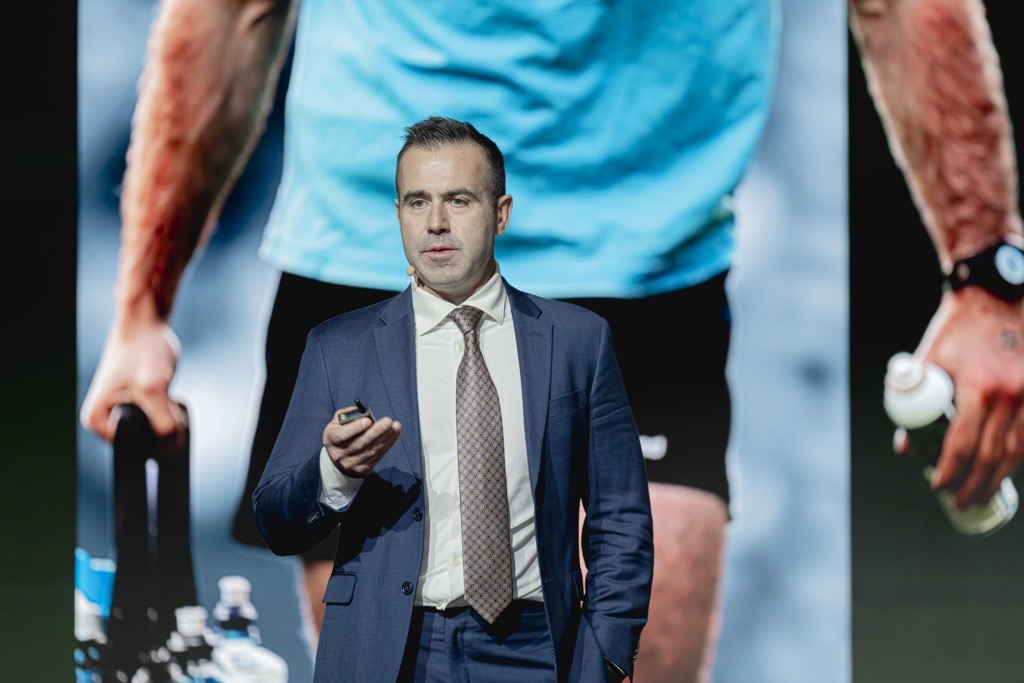
Why Equine Performance Has Stalled and What Data Can Do Next
Watch Stephen Smith, CEO and Founder of Kitman Labs, explore the gap between the rapid evolution of human performance and the relative lack of progress in equine sport.
How AI Is Changing Sport, Not Replacing People: Stephen Smith on The Sports Agents
Kitman Labs CEO and founder Stephen Smith joins Gabby Logan and Mark Chapman on The Sports Agents to unpack how AI is already reshaping talent ID, injury risk, daily training decisions, and fairness in both men’s and women’s sport.
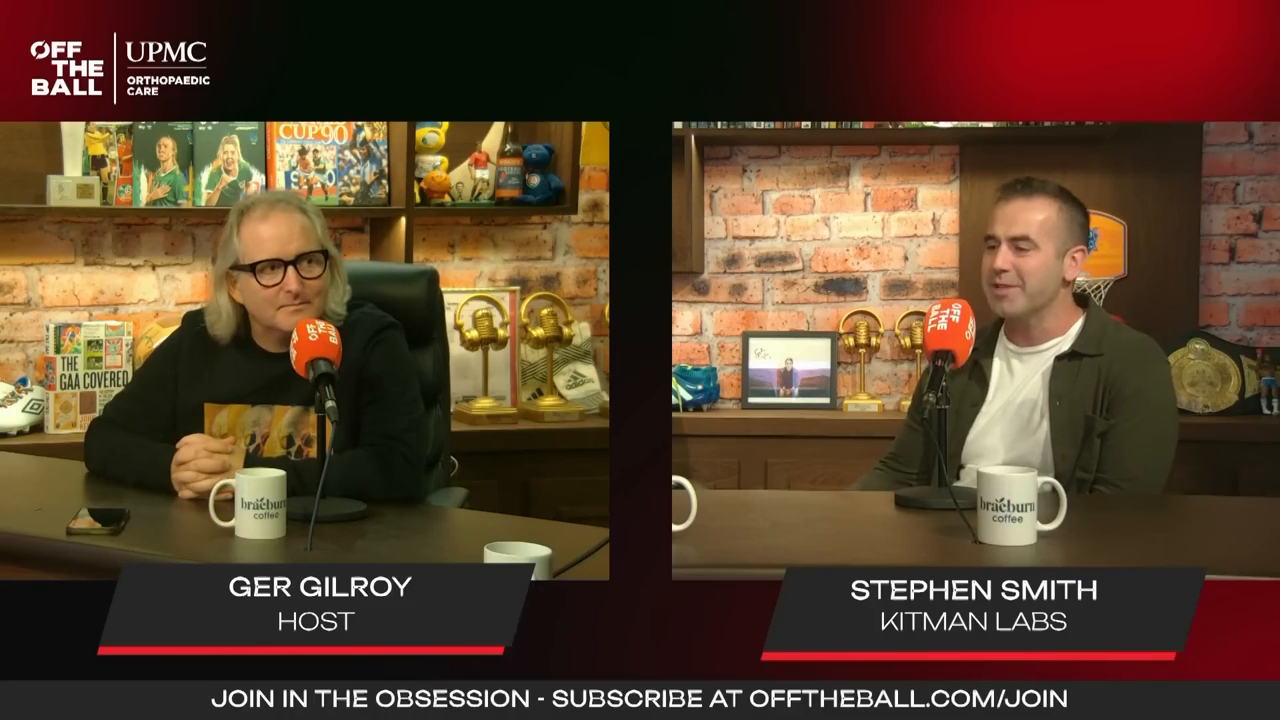
Kitman Labs CEO Stephen Smith on Building the Future of Talent Development in Global Sport
In conversation with Ger Gilroy on Off The Ball, Stephen Smith outlines how Kitman Labs is transforming athlete care and development through data-driven insights, helping organizations unlock performance and build sustainable talent pathways.