For federations, governance exists to protect standards, ensure consistency, and safeguard athletes across the entire development ecosystem. But too often, development governance relies on manual processes, fragmented systems, and retrospective checks that slow teams down instead of supporting them.
Competition governance is usually well structured. Registrations, eligibility, fixtures, and sanctions are clearly defined and consistently enforced.
Development governance is different—and far harder to manage.
The Hidden Gap Between Competition Governance and Development Governance
Most federations have strong control over competitions. Far fewer have the same confidence in how development standards are applied day to day.
Common challenges include:
- National coaching frameworks that exist on paper but aren’t enforced in practice
- Learning outcomes that vary widely by club or region
- Welfare and workload expectations monitored inconsistently
- Return to train and return to play processes that lack visibility
- Audit trails that are difficult to assemble after the fact
The issue isn’t a lack of intent. It’s that development governance is often layered on top of existing workflows instead of embedded within them.
Why Manual Development Governance Doesn’t Scale
When governance depends on forms, emails, and periodic reviews, federations repeatedly face the same problems:
- Compliance becomes reactive instead of continuous
- Staff spend time chasing information instead of supporting clubs
- Clubs experience governance as bureaucracy, not guidance
- Visibility arrives too late to prevent issues
- Standards drift as personnel and priorities change
In this model, governance becomes a burden—both for federations and for clubs.
What Automated Development Governance Looks Like
Leading federations are rethinking governance altogether.
Instead of treating it as a checklist, they are embedding development expectations directly into daily workflows—so governance happens naturally as work gets done.
Automation doesn’t mean centralized control. It means less friction and higher fidelity in how standards are applied.
Key characteristics of automated development governance include:
Standards embedded into normal workflows
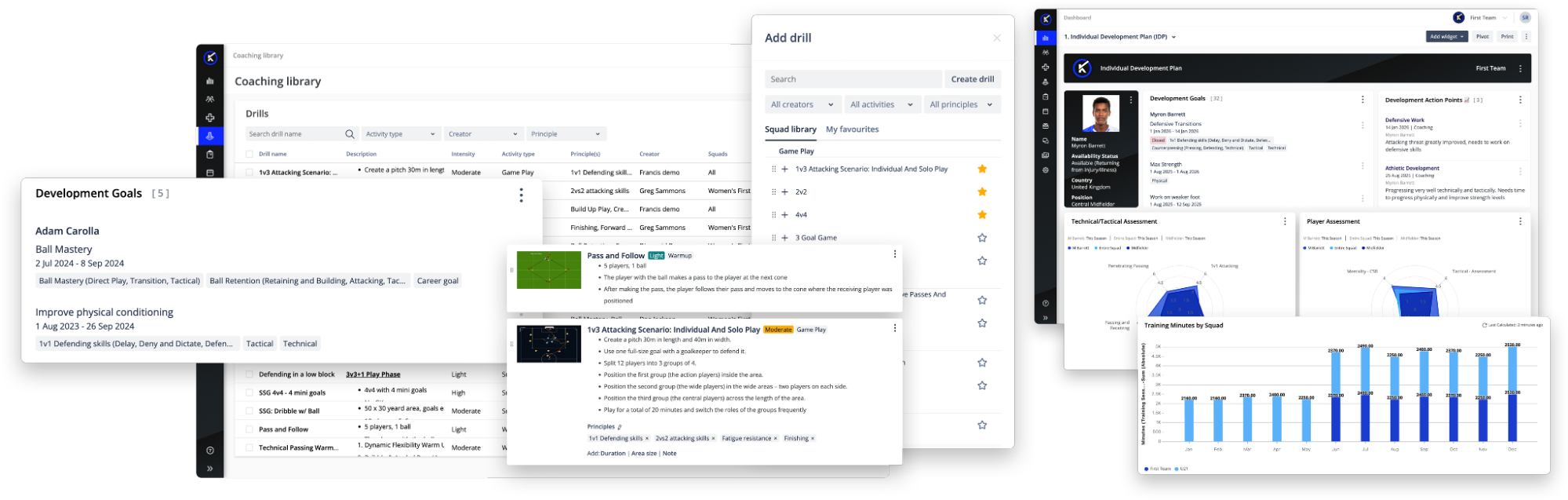
Coaching frameworks, assessment criteria, and development expectations are built into session planning, evaluations, and reviews—so alignment happens by default, not by exception.
Welfare and progression checks enforced invisibly
Required checks around workload, readiness, and return-to-train are triggered automatically based on defined rules or milestones at the right moments—without relying on manual reminders or follow-ups.
Assessments captured consistently and comparably
Shared templates and structured workflows ensure that evaluations are recorded the same way across clubs and regions—making insights meaningful and defensible.
Real-time visibility replaces retrospective audits
Dashboards and alerts allow federations to see where standards are being applied—and where support is needed—before issues escalate.
This is governance that guides, rather than polices.
What Gets Automated in Practice
Automation in development governance isn’t about replacing people. It’s about removing manual follow-ups, inconsistent documentation, and last-minute audit scrambles.
In practice, federations automate areas such as:
- Registration-linked eligibility checks:
Automatically flag missing prerequisites such as coach certifications, age-group eligibility, or required documentation before participation is approved. - Required development touchpoints:
Trigger scheduled reviews at defined intervals (for example, quarterly development check-ins or end-of-phase evaluations) so clubs don’t rely on memory or ad hoc timing. - Standardized assessment capture:
Ensure clubs complete evaluations using consistent templates and shared definitions, making comparisons meaningful across regions and environments. - Welfare and workload safeguards:
Prompt required wellness, exposure, or return-to-train checkpoints when thresholds are met or risk flags appear, rather than relying on manual reminders. - Return-to-train visibility and sign-off workflows:
Maintain a clear, time-stamped record of progressions, decisions, and approvals so transitions are documented and defensible. - Audit-ready documentation by default:
Automatically maintain logs of submissions, approvals, and changes so federations can evidence compliance without chasing emails or rebuilding histories after the fact.
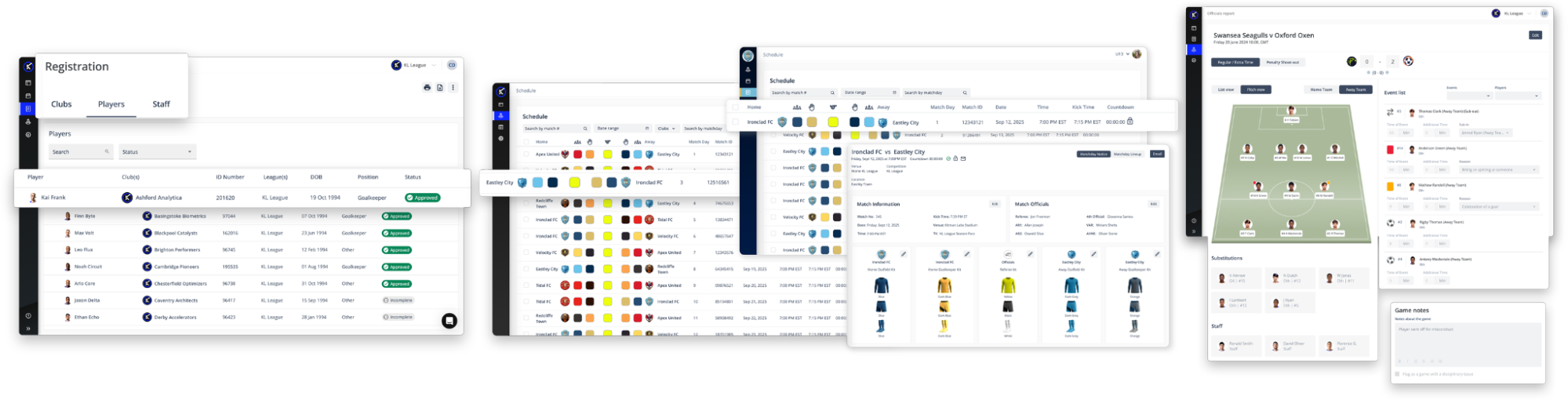
These automations don’t add work. They make expectations easier to meet and easier to evidence—while giving federations earlier visibility into where support is needed.
How Automation Changes the Federation–Club Relationship
When governance is embedded rather than imposed, the relationship with clubs changes.
Clubs gain:
- Clear expectations
- Reduced administrative burden
- Practical guidance built into their daily work
Federations gain:
- Confidence that standards are being applied consistently
- Early visibility into gaps or risk areas
- Stronger audit readiness without manual effort
- The ability to support rather than chase compliance
Governance becomes a shared system, not a top-down process.
From Oversight to Support
One of the biggest shifts automation enables is a move away from “checking” and toward “supporting.”
Instead of asking:
- “Did this happen?”
Federations can ask:
- “Where can we help improve quality?”
Instead of reviewing compliance months later, they can:
- Intervene early
- Reinforce standards in real time
- Protect athletes before issues become systemic
This is how development governance strengthens outcomes without slowing anyone down.
Making Automated Governance Practical
For most federations, the challenge isn’t defining standards.
It’s operationalizing them.
Automated development governance requires a connected structure that brings governance, development activity, and welfare insight together—so expectations can be enforced naturally within everyday workflows.
This is where Operations & Pathway Management, an Integrated Solution within iP: Intelligence Platform, plays a critical role. It provides the integrated foundation that allows federations to:
- Embed national standards into club workflows
- Automate key governance checks
- Maintain real-time visibility across the ecosystem
- Reduce administrative burden while increasing accountability
Because governance only works when it fits how people actually work.
Governance That Strengthens, Not Slows
Federations don’t need more rules to raise standards. They need governance that is applied consistently, supported intelligently, and embedded seamlessly.
When development governance is automated:
- Quality improves
- Risk decreases
- Compliance becomes continuous
- Clubs gain clarity
- Federations gain confidence
This is governance without bureaucracy—and it’s how leading federations are protecting players, strengthening pathways, and raising standards at scale.
Contact us to see how federations are automating development governance without creating more work.