Federations invest time, funding, and strategic effort into athlete development.
But when leadership teams are asked a simple question—“What’s working?”—the answer is often harder than it should be.
Not because federations lack programs.
Not because they lack commitment.
Because many federations still measure what their systems make visible—not what actually proves impact.
Participation, registrations, appearances, and competition activity matter. They show that the system is running.
But they do not show whether the system is developing athletes effectively, whether investment is producing outcomes, or where value is being created—or lost.
And in modern sport, what cannot be evidenced becomes difficult to defend.
The Funding Problem Is Usually a Measurement Problem
Boards, ministries, high-performance leaders, and governing bodies don’t fund intent. They fund evidence.
Specifically, they fund federations that can demonstrate:
- How investment translates into measurable development outcomes
- Where programs are being executed consistently—and where they are not
- How resources are allocated and governed across regions and pathways
- What return those investments are generating over time
Without this level of visibility, development conversations become subjective and reactive.
With it, federations can justify funding, protect long-term strategy, and demonstrate responsible governance of national programs.
This is why measurement isn’t a reporting exercise—it’s a prerequisite for sustained investment.
Why “Participation” Isn’t Enough Anymore
Participation metrics answer:
“Did activity happen?”
But they don’t answer:
- Did athletes progress consistently and sustainably?
- Did availability improve, or did preventable risk increase?
- Did exposure and workload support development, or undermine it?
- Did national programs accelerate outcomes—or simply consume resources?
- Did coaching interactions align to national priorities?
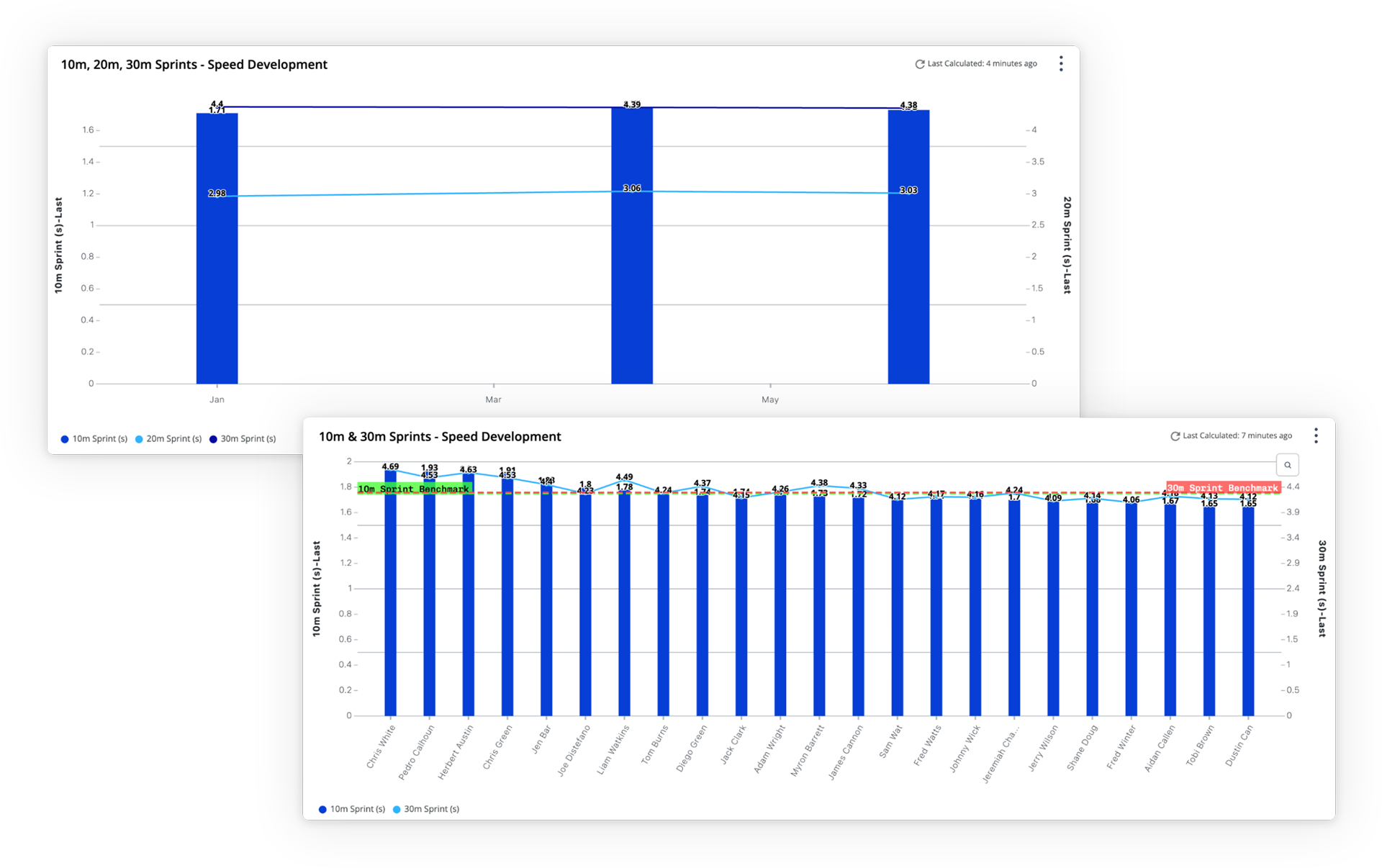
If federations can’t connect development inputs to outcomes, they can’t confidently claim what’s working—or course-correct what isn’t.
What Evidence-Based Reporting Looks Like in Modern Federations
The shift is not from “no reporting” to “more reporting.”
It’s from activity reporting to impact reporting.
Modern federations build reporting that connects:
- Development data and assessments
- Exposure and workload
- Welfare and availability insight
- Coaching interactions and delivery consistency
- Selection outcomes and pathway progression
So leaders can see not just what happened, but what it produced.
This is how measurement becomes a strategic tool, not an administrative burden.
What Changes When Federations Can Prove Impact
When federations have evidence-based reporting, decisions change—fast.
Investment becomes defensible
Instead of “we believe this program works,” federations can show:
- Which environments produce the most progression
- Which interventions improve availability and readiness
- Where drop-off risk appears in the pathway
- What outcomes improve when standards are reinforced
This strengthens decision-making at the leadership level and provides the evidence required to sustain investment over time.
Resource allocation becomes strategic
When evidence exists, federations can reallocate intelligently:
- Strengthen programs that reliably produce progression
- Support regions where inequities are measurable
- Target bottlenecks that reduce pipeline stability
- Scale what works rather than expanding programs without proven impact
Planning becomes more credible
Long-term strategies fail when they rely on assumptions.
Evidence-led reporting turns long-term planning into a continuous process—where federations can monitor trends, validate impact, and adjust before problems become structural.
Funding becomes easier to secure
This is the core point.
When federations can demonstrate outcomes with clarity, it becomes easier to:
- Defend budgets
- Win board approval
- Satisfy ministry requirements
- Strengthen sponsor confidence
- Maintain support for long-term development priorities
Because funders don’t just want activity.
They want proof.
Making Evidence-Based Reporting Practical
For many federations, the challenge isn’t understanding what to measure.
It’s having a structure that makes meaningful reporting possible.
Evidence-based reporting requires connected visibility across the ecosystem—so inputs like development activity, welfare, exposure, and selection outcomes can be evaluated together, not in isolation.
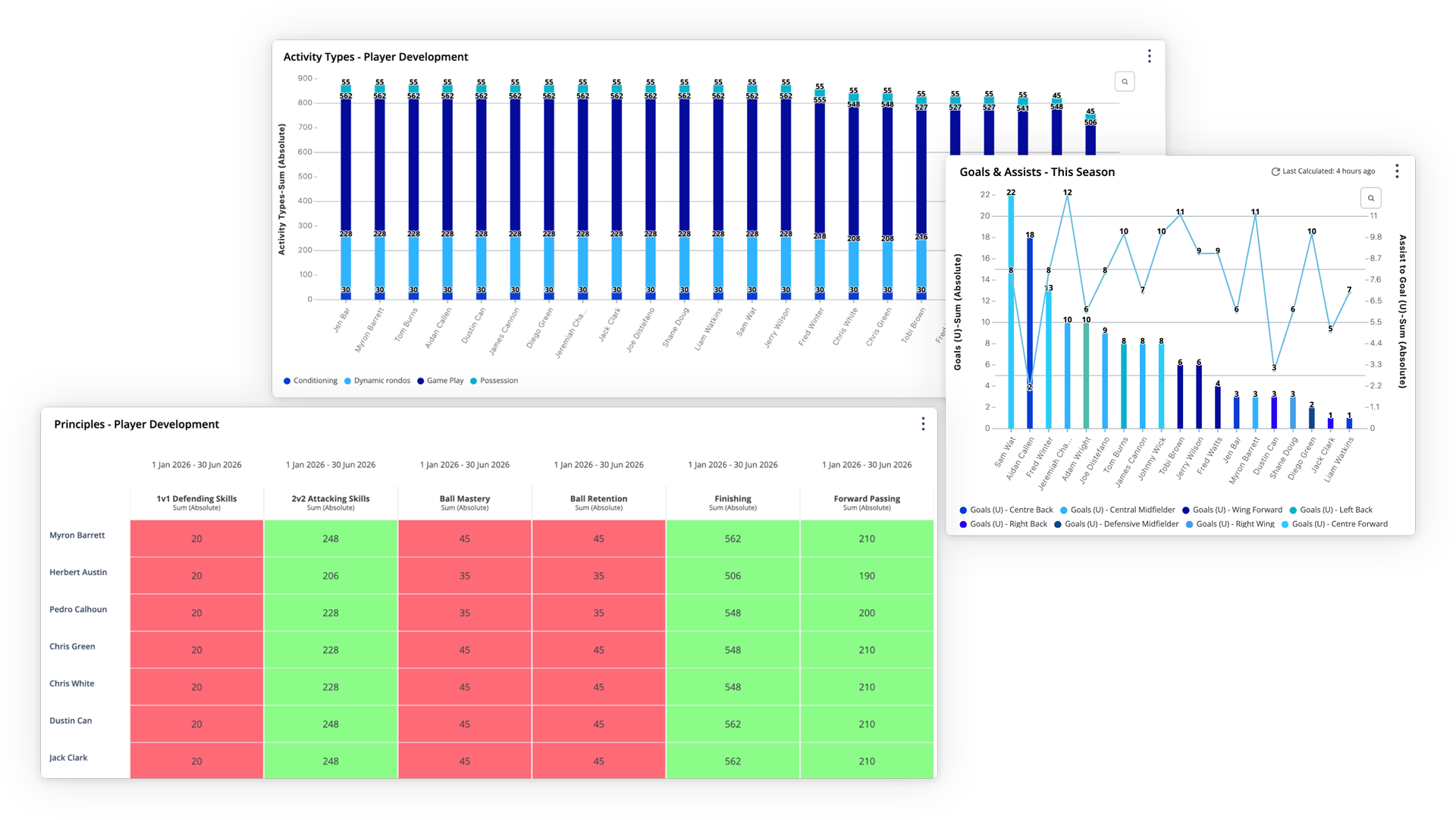
This is exactly what Operations & Pathway Management—an integrated solution within iP: Intelligence Platform—is designed to enable: a connected operating foundation that brings competition oversight, pathway participation, development structure, and welfare context into one environment—so reporting reflects reality, not fragments.
Because reporting is only as strong as the structure behind it.
Measurement Is About Accountability — and Accountability Sustains Investment
Federations don’t need more metrics.
They need accountability that improves outcomes across the pathway.
When federations measure what actually matters, they gain clear visibility into how investment translates into outcomes—where standards are being applied, where risk is emerging, and which development approaches are delivering impact over time.
This level of accountability enables leaders to:
- Apply standards consistently across the ecosystem
- Improve athlete availability and reduce preventable risk
- Strengthen selection decisions with longitudinal context
- Allocate resources toward programs with proven impact
When leaders can evidence what’s working and why, development stops being aspirational.
It becomes defensible, repeatable, and sustainable.
That’s what turns measurement into long-term support, not just reporting.
Contact us to see how federations are measuring performance ROI and proving development impact with evidence.