GPS tracking systems like STATSports provide unmatched visibility into player movement, intensity, and load. But understanding how those demands translate into fatigue, readiness, and training risk requires more than standalone GPS reports.
With iP: Intelligence Platform, STATSports data becomes part of a connected ecosystem—linking external load with internal responses and medical risk indicators to help teams identify rising stress, adjust training intensity, and make informed day-to-day decisions across departments.
The Challenge: Rising Fatigue Signals Are Easy to Miss
Teams track vast amounts of GPS data—distance, high-speed running, sprint exposure, accelerations, decelerations, and more.
But without integration into broader performance and medical workflows, three critical problems appear:
- Fatigue signals stay hidden when workload data is viewed in isolation
- Patterns of rising stress get lost across siloed systems
- Session adjustments are reactive instead of proactive
- Medical insights are disconnected from workload spikes
- Coaches lack a clear picture of how load interacts with readiness
As a result, teams struggle to anticipate fatigue-related risk, manage congested periods, and tailor training to each athlete’s capacity.
What We Hear from Clubs
- “We know the GPS numbers, but we don’t always know what they mean for tomorrow’s session.”
- “We can see big days or hard sessions, but not whether that’s tipping a player toward fatigue.”
- “Our GPS, medical, and wellness systems don’t talk to each other—we’re stitching it together manually.”
- “We want a single view of where stress is building so we can act before it becomes a problem.”
The result: late interventions, preventable fatigue, and unclear readiness signals.
The Solution: STATSports + iP for Dynamic Stress Monitoring
With STATSports integrated into iP: Intelligence Platform, GPS load becomes part of a connected daily workflow—not a standalone data stream.
Instead of viewing external load in isolation, iP brings together:
- GPS movement and intensity metrics
- RPE and internal load
- Wellness and recovery indicators
- Readiness and screening results
- Medical flags and injury history
- Training schedules and positional expectations
This unified environment shows how stress is building, why it’s happening, and where interventions are needed.
Teams can use this connected view to:
- See where external load is accumulating faster than athletes can adapt
- Detect early fatigue by combining GPS output with wellness and readiness
- Identify positional or athlete-specific spikes before they become issues
- Understand how load interacts with medical risk or tissue sensitivity
- Adjust session intensity or individual workloads with real-time context
- Support preparedness conversations with a complete, shared data picture
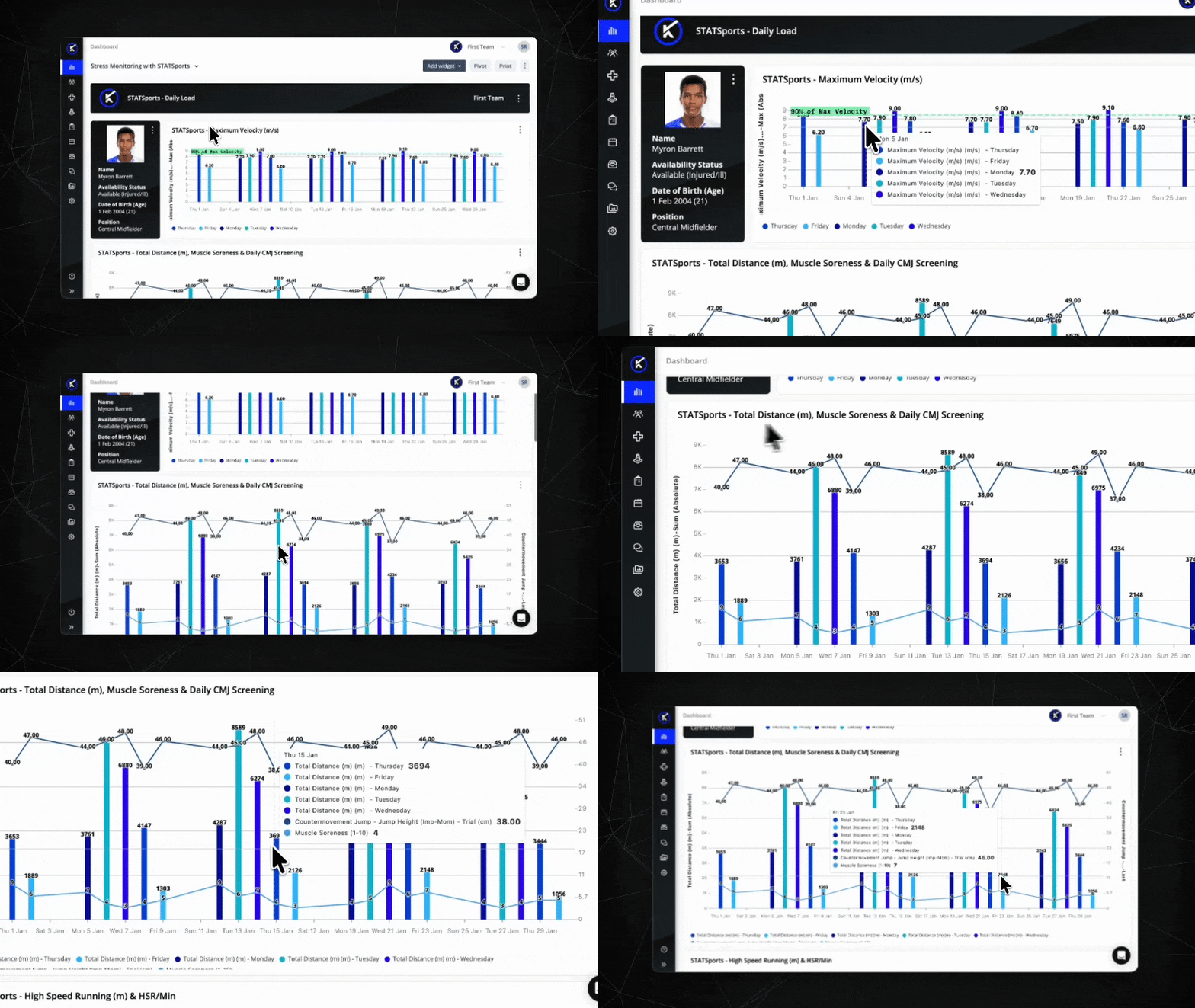
What You Can Do in iP: Intelligence Platform
Sync STATSports Load Data Automatically
- GPS metrics ingest directly into iP—no exporting or file uploads
- High-speed running, sprint exposure, volume, accelerations, and decelerations appear instantly
- All data is mapped to athlete profiles and aligned with existing performance records
Monitor Stress and Fatigue in Full Context
In the Analysis area, layer the GPS data with:
- Wellness scores
- RPE
- Screening results
- Injury status or medical notes
- Fatigue, soreness, or sleep indicators
Identify mismatches between output and readiness (e.g., high load + low energy).
Spot Rising Stress Early
Visualize sudden changes in:
- High-speed meters
- Sprint exposure
- Accel/decel load
- Acute load spikes or congested windows
Detect deviations from normal patterns for each athlete or positional group.
Adjust Training Intensity With Confidence
Use integrated stress indicators to:
- Tune session intensity day-to-day
- Modify positional workloads
- Manage load during congested schedules
- Support tissue load sensitivity or medical constraints
Ensure each session fits the athlete’s actual capacity.
Guide Preparedness & Recovery Decisions
- Track stress trends across microcycles
- Compare load to historical norms
- Align performance, medical, and coaching decisions
- Communicate clear, evidence-based recommendations
The Results: Stronger Resilience, Clearer Patterns, Smarter Season Planning
By integrating STATSports GPS data with wellness, medical, and readiness insights inside iP, clubs can:
- See long-term stress trends that highlight when players accumulate fatigue across microcycles or congested blocks
- Improve season planning with clear evidence of how individuals respond to different training loads
- Optimize positional demands by understanding how role-specific stress varies across match weeks
- Build player resilience profiles that help guide training progressions, rotation strategies, and rest decisions
- Strengthen return-to-performance pathways with objective monitoring of stress recovery
- Create consistent, team-wide standards for evaluating load tolerance, fatigue patterns, and preparedness
This integrated view moves teams from reactive fatigue management to proactive, evidence-based stress planning for the entire season.