Modernization has a perception problem.
Many federations hear “modern infrastructure” and assume it means a big-bang overhaul: replacing legacy systems all at once, changing workflows overnight, and taking on major operational risk.
That assumption is understandable.
It’s a common misconception—and one that many federations are actively moving beyond.
Many federations that are taking steps toward modernization are taking a different approach:
They start where the need is greatest—and expand naturally as value becomes clear.
Why SOME Federations Are Choosing Phased Modernization
Federations are not single-site organizations.
They manage ecosystems with:
- Clubs and academies operating at different levels of maturity
- Regional structures with different needs and capacity
- Competitions, pathways, and programs running year-round
- Stakeholders who rely on continuity and trust
In that environment, all-at-once change can introduce predictable challenges:
- Adoption becomes inconsistent
- Staff and clubs experience disruption before they experience value
- Implementation timelines stretch
- Momentum becomes harder to sustain
Modernization doesn’t struggle because the ambition is wrong.
It struggles when the approach introduces more disruption than value early on.
A Flexible Starting Point: Where Modernization Begins
Many successful federations take different paths into modernization.
Some pursue broad, multi-area transformation programs.
Others begin by addressing a specific constraint before expanding.
In both cases, progress often starts with the same clarifying question:
Where is fragmentation creating the most risk or limiting the most progress right now?
That answer helps determine the most effective starting focus.
For some federations, the starting point is operational governance.
For others, it’s development standards.
For others, it’s welfare visibility or national-team readiness.
And for some, it’s the ability to answer strategic questions with custom analytics.
What matters is not the size or speed of the initial step.
What matters is that modernization delivers immediate, measurable value—creating momentum for whatever comes next.
A Practical Framework for Choosing the First Step
Here are four common entry points federations use to modernize safely.
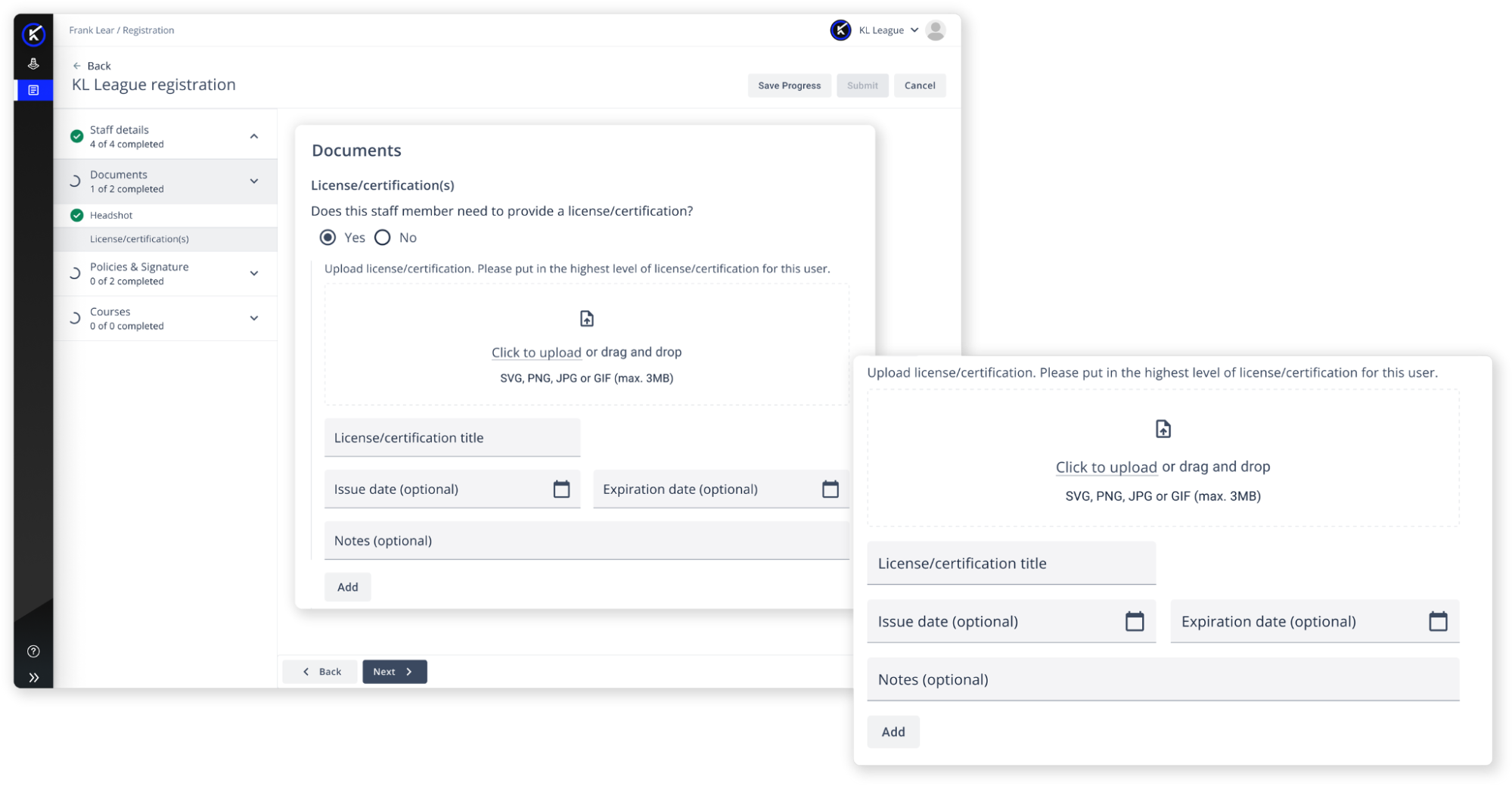
1. Start with operations when integrity and oversight are the constraint
When registration, eligibility, competition oversight, or audit trails are fragmented, federations face operational risk and inconsistent standards.
Modernizing here creates a reliable foundation for everything that follows.
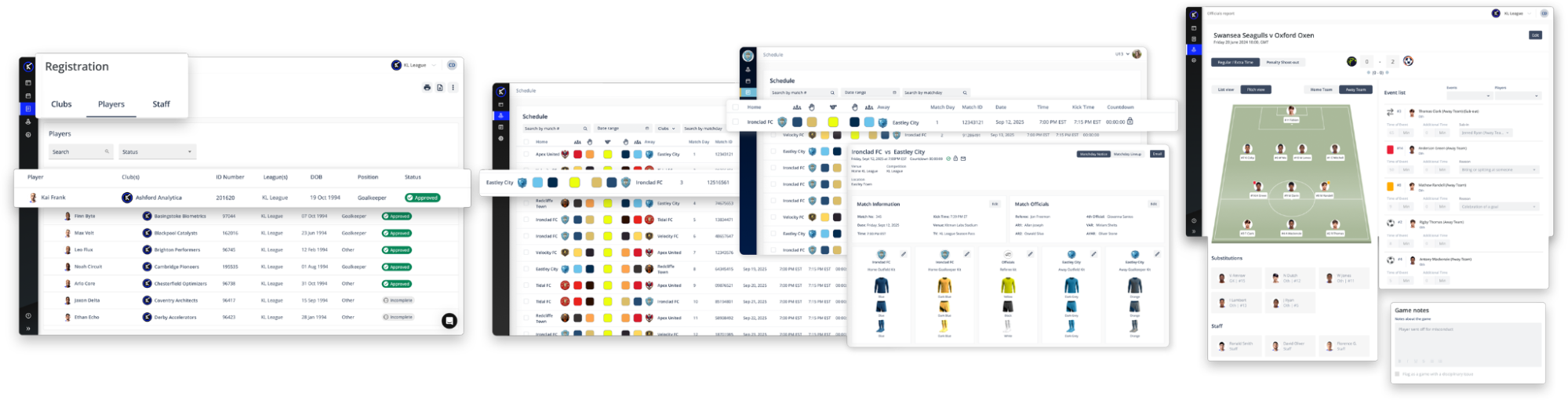
2. Start with development when inconsistency is the constraint
If clubs and regions are working from different frameworks, development becomes unpredictable and difficult to measure.
Modernizing here builds alignment and clarity across the pathway without removing local identity.
3. Start with welfare and readiness when risk is the constraint
If information doesn’t follow the player across environments, federations are exposed to avoidable overload, missed warning signs, and diminished trust between club and country.
Modernizing here protects athletes and improves decision-making immediately.

4. Start with analytics when leaders need answers to invest confidently
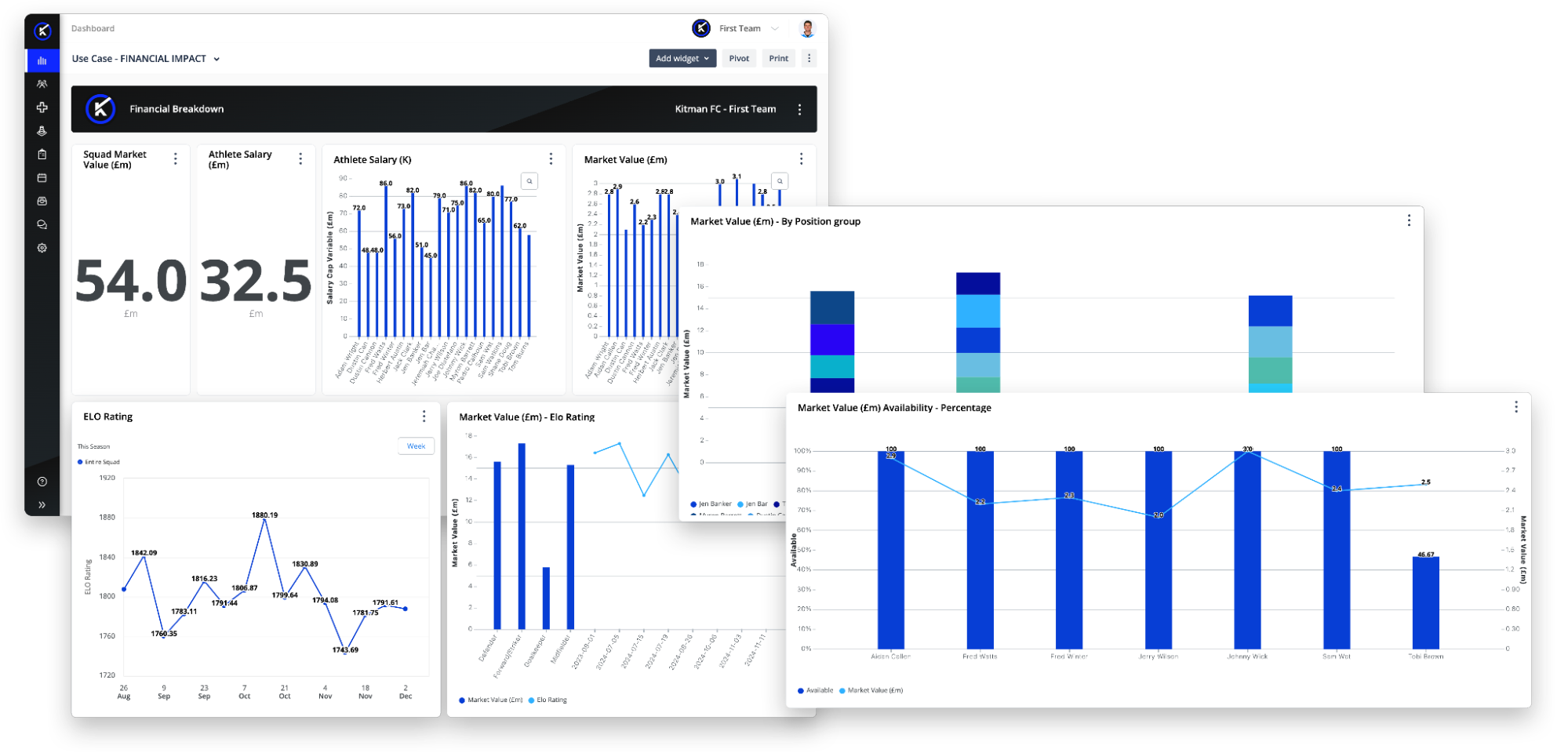
If leadership can’t prove what’s working—or justify where to invest next—modernization often starts with insight: building the models that turn raw information into policy-driving decisions.
How Federations Expand Without Disruption
Once a federation starts in the right place, expansion becomes easier—because value is visible.
Modern infrastructures allow federations to:
- Begin with a single use case or priority area
- Add capabilities as programs mature and adoption grows
- Integrate analytics when the underlying data becomes consistent
- Connect existing systems through APIs rather than replacing everything
- Scale across regions without changing every workflow at once
This modular or iterative approach reduces risk and improves adoption because it aligns modernization to reality: different environments adopt at different speeds—and that’s normal.
The Budget Reality: Modernization Doesn’t Have to Mean New Spend
A second misconception is that modernization requires entirely new budget lines.
In practice, federations modernize most effectively when they:
- Reallocate existing investment away from fragmented tools
- Reduce administrative burden through streamlined, automated workflows
- Prove value early, then expand in line with funding cycles
- Avoid the cost of “custom rebuilds” every few years
The goal is not to spend more.
It’s to build a system that avoids repeat spending on patchwork fixes.
Future-Proofing Is a Path, Not a Purchase
Future-proofing doesn’t mean predicting the future.
It means designing for flexibility:
- Configurable workflows that adapt as standards evolve
- Scalable structures that support new programs as they emerge
- Integrations that keep existing systems connected
- The ability to expand without replatforming
Federations that modernize in layers don’t just reduce disruption.
They increase resilience—operationally, strategically, and financially.
Modernize the Way Federations Actually Work
The best modernization strategies are not the most ambitious.
They are the most practical: start where it matters, deliver value early, expand responsibly, and keep the ecosystem moving.
Because modernization shouldn’t disrupt the system you’re trying to improve.
It should strengthen it—one step at a time.
Contact us to see how federations are modernizing safely and affordably, without overhauling everything.