Session totals can hide the most important part of workload management: where the load actually comes from.
Two sessions can look identical at a summary level—same duration, same total distance—yet place very different demands on athletes depending on drill structure, intensity, and participation. Drill-level insight allows performance teams to connect training design to athlete exposure, without turning workload into a numbers-driven exercise or rigid thresholds.
The Challenge
Historically, most workload reporting has focused on session-level summaries. While useful for high-level monitoring, these views make it difficult to understand how individual drills contribute to overall physical demand.
Without drill-level visibility, performance teams often struggle to:
- Identify which drills are driving high-intensity exposure
- Compare drill stimulus across sessions or training blocks without manual work
- Explain workload outcomes to coaches in terms of training design
- Avoid defaulting to rigid GPS targets that lack sport-specific context
As a result, teams risk adjusting training to “hit numbers” rather than aligning with principles like specificity, dose–response, and periodization.
What We Hear From Performance Teams
Performance staff consistently tell us:
- “We can see the session totals, but we don’t know which parts of the session actually caused them.”
- “Two sessions can hit the same numbers but deliver completely different stimuli.”
- “We want data that supports our coaching intent—not dashboards that prescribe targets.”
Teams also recognize that GPS norms don’t represent optimal training targets. Standard metrics often reflect historical practice and may oversimplify physical demand, particularly in multidirectional sport contexts.
What performance teams want instead is context—data that informs decision-making while keeping interpretation firmly with coaches and practitioners.
What You Can Do with Performance Management Dashboards in My iP
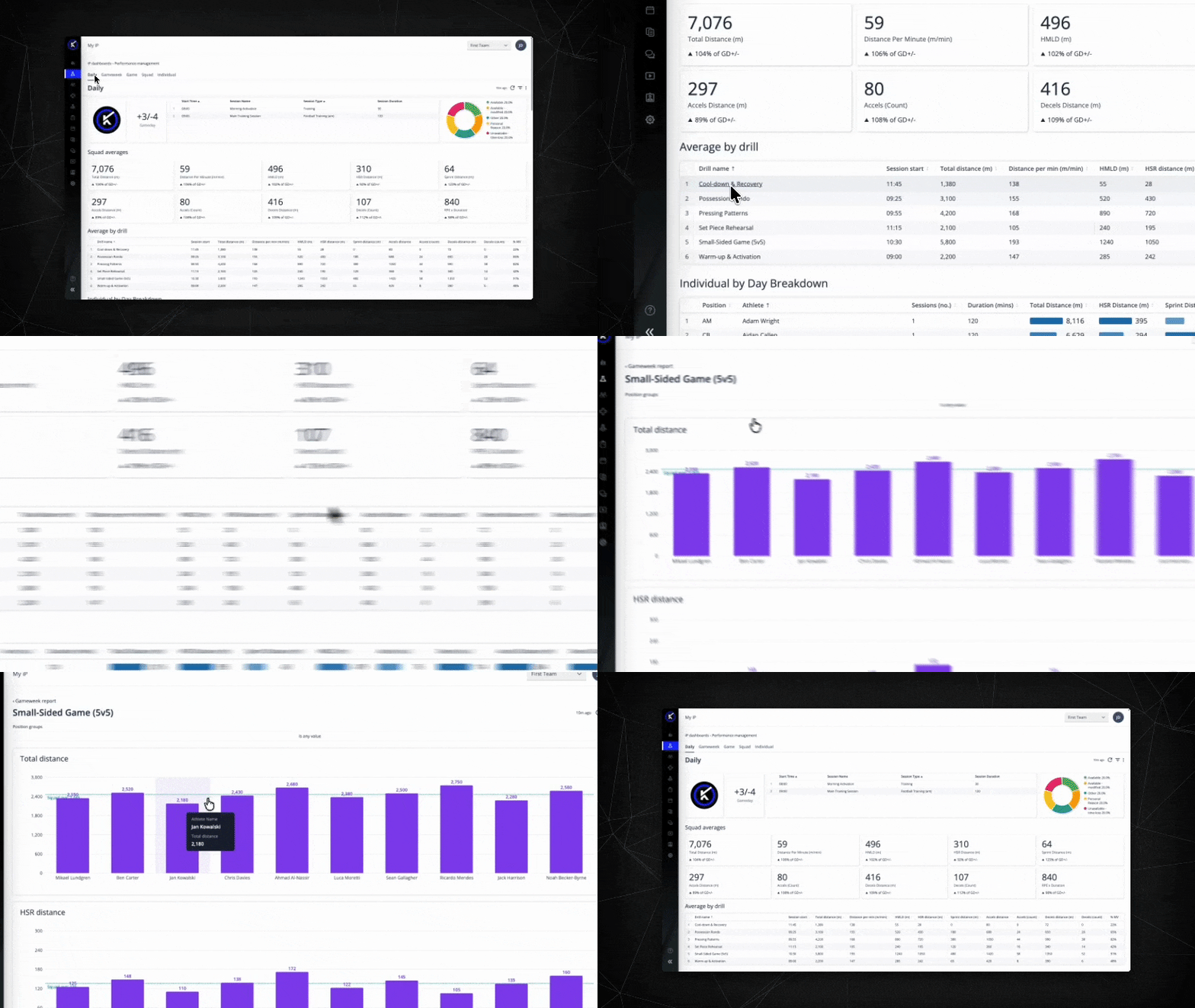
My iP surfaces drill-level workload insight using structured session and workload data from the Performance Optimization Solution in iP—allowing teams to explore training design and athlete exposure without manual setup.
Break Down Workload at the Drill Level
In Performance Management Dashboards, start from a session or squad view and dive into individual drills to understand where workload is generated.
- Break sessions down by drill name, drill type, and participation.
- Select key metrics such as Total Distance, High-Speed Running, Sprint Distance, Accelerations/Decelerations, or High Metabolic Load Distance.
- See how each drill contributes to total session load—highlighting the true drivers of intensity and volume.
Compare Drill Exposure Across Sessions or Training Blocks
Move beyond single-session analysis to understand patterns over time.
- Filter by gameweek, training block, or game phase.
- Compare drill-level workload across multiple sessions.
- Group by squad, position group, or individual to add the right level of context.
This supports periodization planning without relying on rigid benchmarks or universal thresholds.
Use GPS as Context, Not Prescription
My iP helps performance teams generate meaningful workload insight—without chasing isolated metrics.
- View drill contribution alongside session structure and sequencing.
- Identify drills that consistently drive high-intensity exposure—or unintentionally accumulate load when combined.
- Use insights to support discussions around specificity, dose–response, and progression, rather than adjusting training to meet arbitrary targets.
GPS data becomes guidance—not a rulebook for training design.
Support Coaching and Performance Conversations
Use drill-level insight to create shared understanding across staff—through clear dashboards and shareable outputs.
- Explain workload outcomes in coaching language, mapped directly to training design.
- Review drill contribution during weekly planning or phase reviews.
- Adjust drill selection, duration, or sequencing collaboratively—grounded in evidence, not assumptions.
This preserves practitioner ownership while strengthening alignment between performance and coaching staff.
The Outcome: More Intentional Session Design
When drill-level insight becomes part of daily reporting, performance teams can:
- Plan sessions with a clearer understanding of which drills are driving workload demands
- Balance exposure across the microcycle without guesswork or manual reporting
- Communicate workload outcomes in coaching terms—aligned to training intent
- Apply GPS data in context while staying grounded in sport-specific principles